
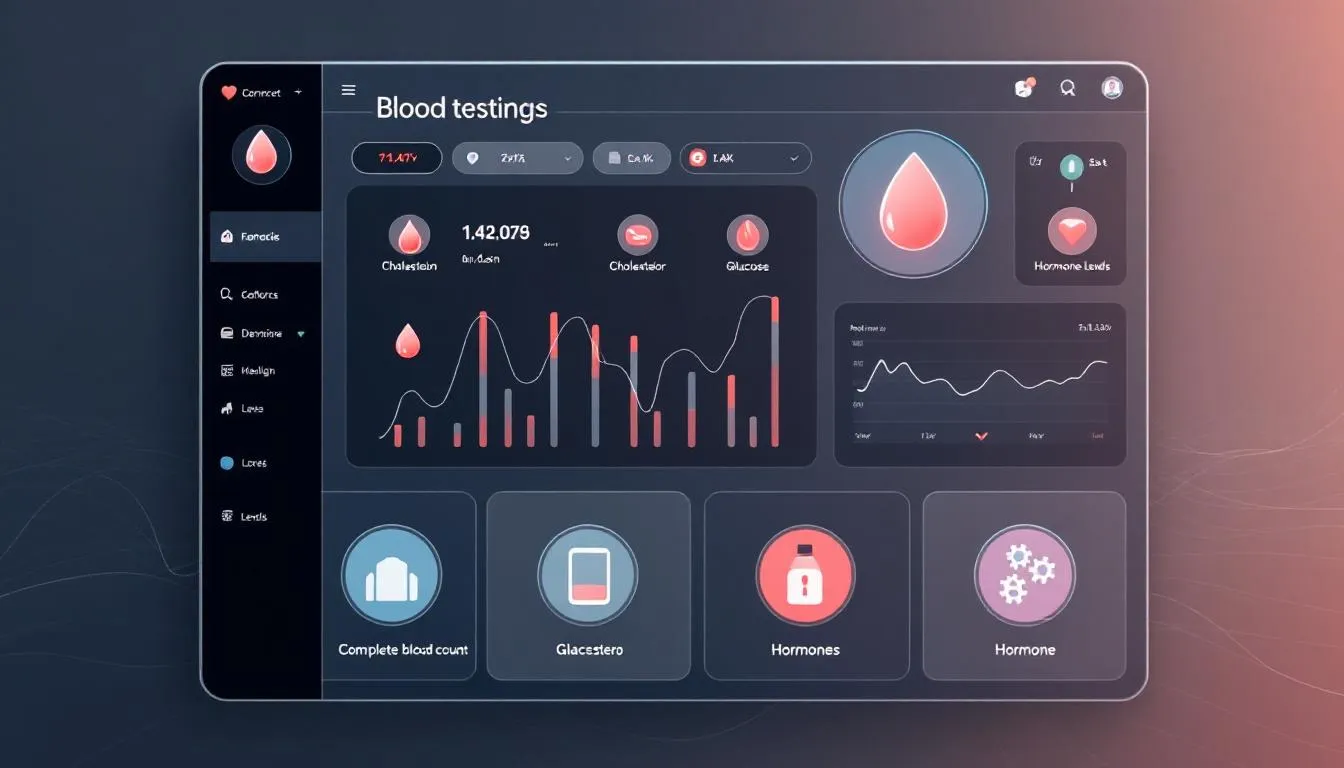

Blood testing services are essential for diagnosing and monitoring various health conditions. These services provide crucial insights into your health, enabling early detection and timely intervention. In this article, we will explore different types of blood tests, how to prepare for them, where to get them done, and what to expect during the process.
Key Takeaways
- Blood tests are essential for health assessments, diagnosis, and treatment monitoring, enabling early detection of potential health issues.
- There are various types of blood tests available, each providing specific health insights, such as kidney function, liver function, diabetes management, and vitamin levels.
- Proper preparation and understanding of the blood testing process enhance accuracy and reduce risks, while patients should discuss their results with healthcare providers for informed decision-making.
Understanding Blood Testing Services
Blood tests are pivotal for assessing health and diagnosing medical conditions. They offer valuable insights, aiding healthcare providers in monitoring treatment effectiveness and identifying potential health issues promptly. Imagine visiting your healthcare provider for a routine check-up and discovering through a simple blood test that you’re at risk for diabetes. Early detection through blood tests allows for timely intervention, potentially preventing more serious health problems down the line.
Blood tests help doctors diagnose or monitor medical conditions and are vital in health assessments. Whether it’s a full blood count for overall health or a thyroid function test for hormonal imbalances, these tests are integral to medical diagnostics, aiding in precise pathology and better treatment plans. From routine check-ups to complex diagnoses, blood tests are an integral part of modern medicine.
Patients have diverse clinical needs, and numerous blood tests are available to meet these requirements. Pathology services offer a variety of tests to deliver accurate and dependable health data, with precision pathology guiding the way. Whether monitoring an existing condition or undergoing preventive screening, knowing about blood tests, pathology request forms, and precision pathology test can empower informed health decisions.
Explore the different types of blood tests available and their benefits.
Types of Blood Tests Available
Blood tests vary, each offering specific health insights:
- A full blood count provides a comprehensive health overview and can detect anemia or infections.
- Liver function tests assess liver health and functionality.
- Kidney function tests evaluate how well your kidneys filter blood work.
Blood glucose tests diagnose and monitor diabetes, a condition affecting millions globally. Tracking glucose levels helps manage diabetes and prevent complications. Cholesterol tests evaluate different types of cholesterol and fats in the bloodstream, crucial for assessing heart disease risk.
The tests include:
- Thyroid function tests: detect hormone levels affecting metabolism and energy levels.
- Iron studies: measure blood iron levels, essential for red blood cell production and anemia prevention.
- Vitamin D tests: check for deficiencies impacting bone health and immune function.
The C-reactive protein test detects infection or inflammation, aiding in the diagnosis and monitoring of various conditions. These diverse testing options allow you and your healthcare provider to customize blood tests to meet your specific health needs. Knowledge of these tests enables informed healthcare decisions.
How to Prepare for a Blood Test
Proper preparation can greatly impact blood test accuracy. Typically, fasting for 8-16 hours before a blood test, ideally 12 hours, is required. Only water should be consumed during fasting, avoiding additives like tea or coffee, to ensure accurate results. Avoid alcohol for at least 24 hours prior to the test.
Diabetic patients and children require special considerations. Diabetic patients should consult a doctor before fasting to avoid adverse blood sugar effects. Children under 12 should not fast for more than 4-6 hours to prevent health risks. These guidelines ensure safe and effective blood tests for all.
Before your blood test appointment, have a completed test request form from your doctor and a valid photo ID. This prior preparation helps streamline the process and ensures the laboratory has all the necessary information for accurate testing.
Following these guidelines ensures your blood test results are as accurate as possible.
Where to Get a Blood Test

Blood tests are available at various locations for patient convenience:
- Collection centres are widespread across Australia.
- There are over 200 collection centres in New South Wales alone.
- These centres offer a range of pathology tests to suit your needs, making it easy to testing location find.
Private clinics in Australia also offer blood tests, providing flexible and personalized options. These clinics often have extended hours and additional clinician services for comprehensive healthcare.
For maximum convenience, some online services offer home sample collection for blood tests. This option allows blood to be drawn at home, ideal for those with mobility issues or busy schedules.
Whether you opt for a collection centre, private clinic, or home service, in most cases, various options exist to meet your clinical needs with reliable and efficient support tailored in clinician services achieve patient services as your trusted partner for emergency clinicians.
The Blood Test Process
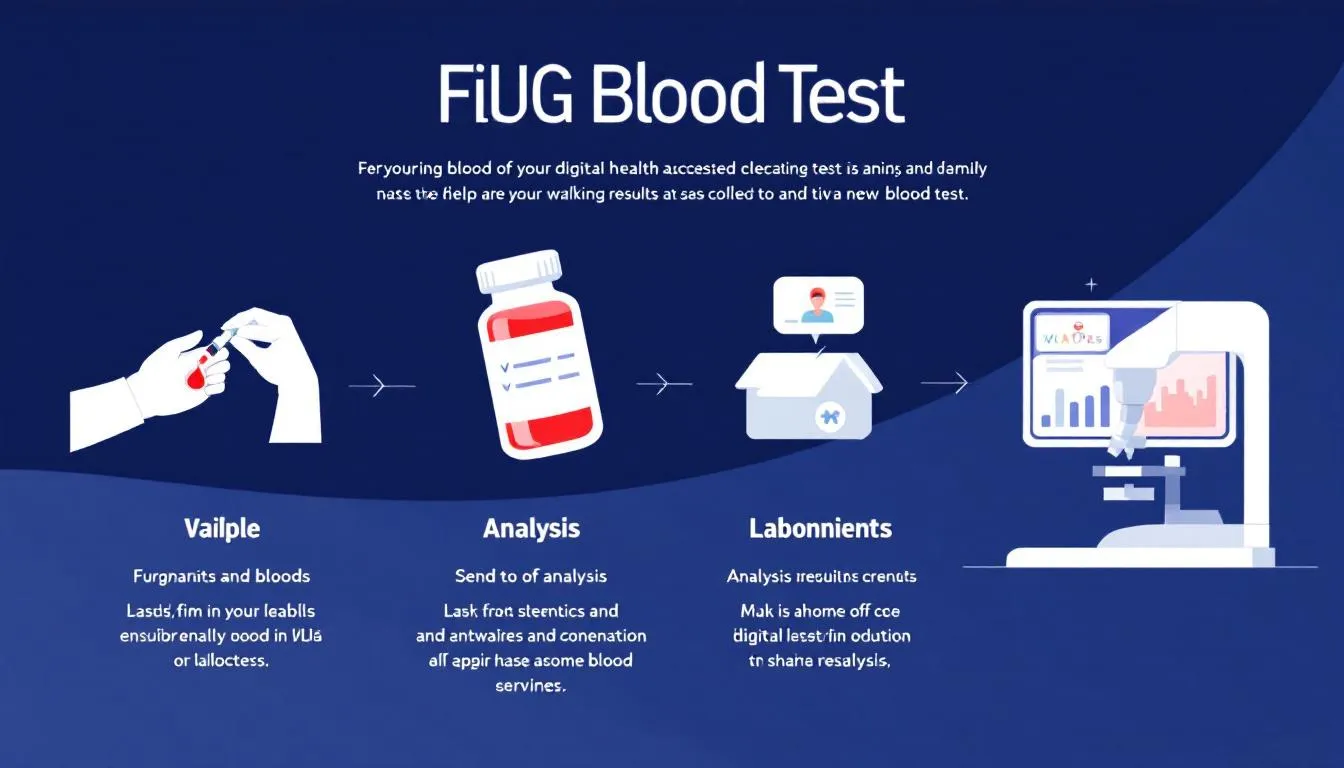
A trained technician typically:
- Uses a sterile needle to draw blood from a vein, usually in the arm.
- Completes the quick process, which usually takes only a few minutes.
- Collects the blood into test tubes, labels them, and sends them to a laboratory for analysis.
This analysis provides a wealth of health information, from liver function to assess heart failure investigation in the body.
To minimize risks like bleeding and bruising:
- Apply pressure to the needle site.
- Avoid strenuous arm activities immediately after the test.
- Keep the bandage on for a few hours to help prevent post-test bleeding.
Knowing this process can alleviate anxiety and prepare you for what to expect during your normal blood test.
Risks and Side Effects
Though generally safe, blood tests carry some risks and side effects. Common issues include bruising and nerve injuries, with about 14% of people experiencing bruising, especially women and those on blood-thinning medication. These minor side effects typically resolve within a few days.
To prevent bleeding after blood sample collection, keep the bandage on the puncture site for a few hours. Avoid strenuous activities that may impact the puncture site for at least 24 hours. These precautions help minimize potential complications.
Although generally accurate, blood tests can sometimes yield false results, affecting diagnosis and treatment. Further testing or a repeat blood test may be needed to confirm results. Despite these risks, the benefits of blood tests in diagnosing and monitoring health conditions far outweigh the potential drawbacks.
Getting Your Blood Test Results

Test results are generally accessible within a few days after sample collection, depending on test complexity. Requesting a personal copy may take additional time for your doctor to review and authorize release. The timing and context of results are crucial, as their significance can vary based on age, sex, and overall health.
Patients should discuss their results with their healthcare provider for proper understanding and care. Your doctor can clarify and explain what the results mean for your health and provide clear answers. This discussion is crucial for making informed decisions about treatments or lifestyle changes.
In some cases, results may be uploaded to a digital health record system, allowing patients access after a certain period. This feature enables quickly access to your blood test results and sharing them with other healthcare providers if needed. Knowing how to obtain and interpret your results is vital for effective health management.
Cost of Blood Tests
The cost of blood tests varies depending on the type and facility. If bulk billed, Medicare pays the full cost, making essential tests more accessible. Some new tests for heart failure are eligible for a Medicare rebate, broadening their use and reducing costs for patients.
When covered by Medicare, there are no extra charges or lab fees for blood tests. However, costs can vary for additional tests or services not covered by Medicare. Check with your healthcare provider about potential costs before getting a blood test.
Knowing the costs involved helps you plan and budget for healthcare. Whether covered by Medicare or paying out-of-pocket, understanding financial expectations provides peace of mind, allowing you to focus on your health.
Summary
Blood tests are a cornerstone of modern healthcare, providing critical insights into your overall health and helping to diagnose and monitor various medical conditions. From preparation to understanding the costs involved, being informed about blood tests can empower you to take proactive steps in managing your health.
By understanding the different types of blood tests available, how to prepare for them, and what to expect during the process, you can make informed decisions about your healthcare. Stay proactive, consult your healthcare provider regularly, and make the most of the valuable information that blood tests can offer.
Frequently Asked Questions
Why is fasting necessary before some blood tests?
Fasting is necessary before some blood tests because it ensures accuracy by preventing food or drink intake from influencing the results. Accurate testing is crucial for effective diagnosis and treatment.
How soon will I get my blood test results?
You can expect to receive your blood test results within a few days, although this timeframe may vary based on the complexity of the tests performed.
Are there any risks associated with blood tests?
Yes, blood tests carry minor risks such as bruising and nerve injuries, which typically resolve without intervention.
Where can I get a blood test done?
You can get a blood test done at collection centers, private clinics, or through home sample collection services. Choosing the option that best fits your convenience will ensure an efficient process.
How much do blood tests cost?
Blood test costs can vary widely, but many are covered by Medicare, often resulting in no out-of-pocket expense for the patient if bulk billed.